
A Simple Barrier That Shields Roots From Heat, Cold, and Wind
Proper mulching protects plants during harsh weather by acting like a blanket over the soil. It helps hold moisture in during heat waves, keeps roots warmer during freezes, and reduces damage from strong wind and heavy rain. When done the right way, mulching creates a steady environment around the roots so plants stay healthy even when the weather changes fast.
What You Need Before Starting
Before you begin mulching, gather the right materials and tools. Picking the correct mulch and applying it properly makes a big difference.
- Organic mulch such as shredded bark, wood chips, or pine straw
- A rake to spread the material evenly
- Gloves to protect your hands
- A shovel or pitchfork for moving larger amounts
- A measuring stick to check depth
Most plants do well with organic mulch because it breaks down slowly and feeds the soil. This supports strong roots and steady growth.
Step-by-Step Process
Follow these simple steps to get the most out of mulching:
- Clear the area. Remove weeds, rocks, and old debris from around the base of the plant.
- Check soil moisture. Water dry soil before adding mulch. This locks in moisture.
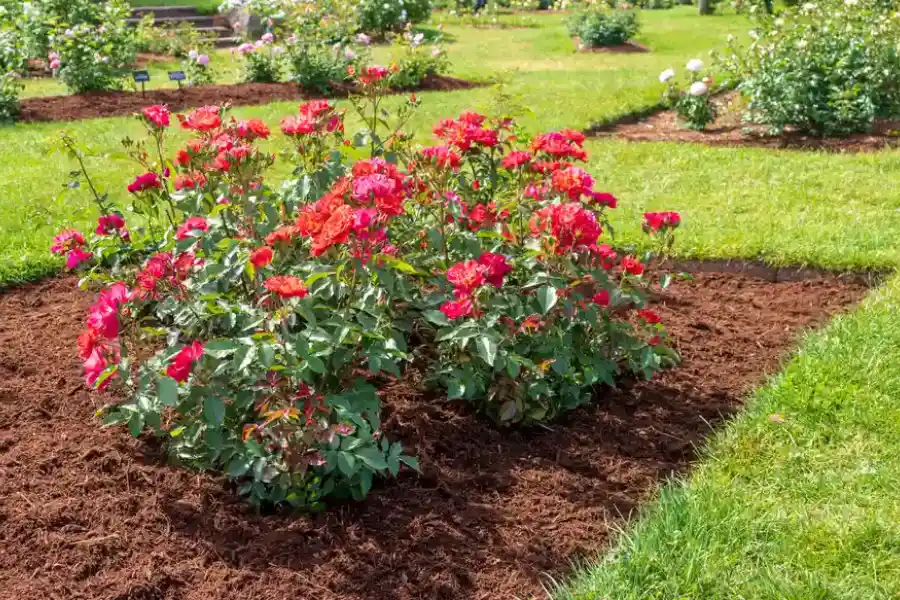
- Spread evenly. Apply mulch in a layer about 2 to 3 inches thick.
- Keep space around stems. Leave a small gap around the trunk or plant stem. Do not pile mulch against it.
- Smooth the surface. Use a rake to level the mulch so water drains evenly.
This layer protects roots from extreme heat in summer and sudden cold snaps in winter. It also softens the impact of heavy rain, which can wash away bare soil.
Common Mistakes to Avoid
Even simple mulching jobs can go wrong. Avoid these common problems:
- Piling mulch too high against tree trunks
- Using more than 4 inches of material
- Leaving old weeds underneath
- Using fresh wood chips that steal nitrogen from soil
Too much mulch can trap excess moisture and lead to rot. Too little will not protect roots from heat or frost. A balanced layer works best.
How Mulching Helps in Different Weather Conditions
Hot weather can dry soil fast. Mulching slows evaporation and keeps roots cooler. Plants need less frequent watering, which reduces stress.
During cold weather, soil can freeze and thaw over and over. This movement pushes plants upward and damages roots. A steady mulch layer reduces these swings and keeps soil temperature more stable.
Strong winds pull moisture from leaves and soil. Heavy rain can wash soil away from roots. Mulching acts as a buffer, holding soil in place and cutting down on erosion.
When to Call a Professional
Small garden beds are easy to manage on your own. Larger landscapes or sloped yards may need expert help. If you notice drainage problems, root rot, or repeated plant loss after storms, it may be time for professional support.
A trained team can check soil health, choose the right mulch type, and apply it at the proper depth. They can also spot deeper issues like poor grading or compacted soil that simple mulching will not fix.
Final Recommendation and Next Steps
Proper mulching is one of the simplest ways to protect your plants from harsh weather all year long. A well-placed 2 to 3 inch layer keeps roots steady, reduces water loss, and shields soil from damage. If you want long-lasting results in Brunswick, GA, we can help. At Brothers Landscaping Of Coastal GA LLC, we apply mulch the right way for strong, healthy landscapes. Call us at (912) 506-5261 to schedule a service and let us protect your outdoor space together.